
Updated: 18/08/2026
8 mins
Destination: UK & Ireland
Share
Beyond the Tickbox. 20 Alternative Places to Visit in the UK & Ireland
In this article
Adventure travel has become increasingly transactional.
See it. Snap it. Tick it off. Move on.
The same landmarks. The same photo angles. The same crowded itineraries repeated across the map.
But today’s travellers are looking for something deeper. They want stories over selfies, connection over consumption, and experiences that feel personal.
We believe the most memorable journeys happen when you look beyond the obvious.
Just an hour from Stonehenge, sits a place many travellers have never heard of. No barriers. No timed entry slots. No crowds moving from one designated viewpoint to the next.
Avebury, the world’s largest prehistoric stone circle.
Here, you can walk amongst the stones, touch them, sit quietly beside them, and experience the landscape as part of everyday life rather than a protected attraction.
That’s the difference between visiting somewhere and truly experiencing it.
This inspired our list of alternative destinations across the UK and Ireland. Places that offer the same sense of scale, beauty, history, or atmosphere as their better-known icons, but with more authenticity, more freedom, and often a far stronger connection to local communities and landscapes.
We’re not saying, “don’t visit the classics,” but for tour operators and travel agents, these are the destinations helping reshape itineraries to become lower-impact, experience-rich, and designed for travellers looking to go beyond the tickbox.
Iconic Places
1. Avebury — Not Stonehenge
Stonehenge may be Britain’s most famous prehistoric site, but Avebury offers something increasingly rare: the freedom to experience history without barriers or crowds. Visitors can walk directly amongst the stones, explore nearby Silbury Hill – the largest prehistoric man-made mound in Europe (featured image) and experience the landscape in a far more personal and immersive way.
Best time to visit: April to October
More information: nationaltrust.org
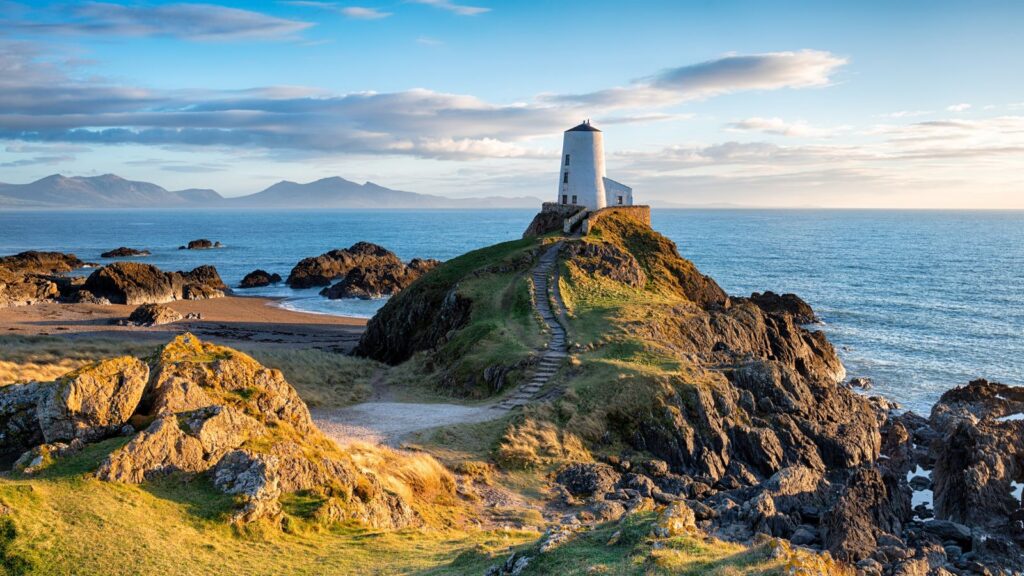
2. Anglesey — Not the Pembrokeshire Coast
While Pembrokeshire draws the crowds, Anglesey delivers equally dramatic coastal scenery with quieter beaches, hidden coves, and exceptional walking and cycling routes. Travellers can spend their days hiking the coastal path, exploring Beaumaris Castle, or discovering small harbour towns and local seafood spots.
Best time to visit: May to September
More information: visitanglesey.co.uk
3. Slieve League Cliffs — Not the Cliffs of Moher
The Cliffs of Moher dominate Irish postcards, but Slieve League offers an alternative, genuinely wild Atlantic experience. Visitors can hike dramatic cliffside trails, drive through remote Donegal landscapes, and experience one of Ireland’s most breathtaking coastlines without the crowds.
Best time to visit: May to September
More information: slieveleague.com
4. Glen Affric — Not the Cairngorms
For travellers seeking the Highlands at their most cinematic, Glen Affric combines ancient pine forests, shimmering lochs, and expansive mountain scenery. Whether hiking through Caledonian woodland or spotting wildlife beside remote lochs, it offers a quieter and more restorative side of Scotland.
Best time to visit: June to October
More information: forestandland.gov.scot
5. Dumfries & Galloway — Not the West Highlands
The West Highlands remain iconic, but Dumfries and Galloway offers a softer and more understated version of Scotland. Travellers can explore quiet coastal routes, cycle peaceful country roads, walk through rolling hills, and experience some of the UK’s darkest night skies far away from the crowds.
Best time to visit: April to September
More information: visitscotland.com
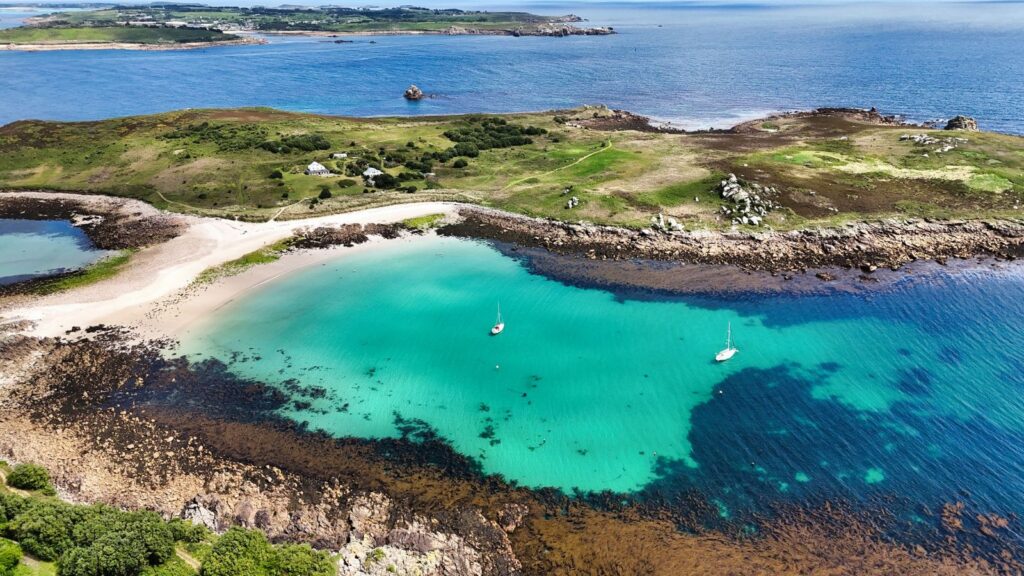
6. The Isles of Scilly — Not Cornwall
For travellers wanting Cornwall’s beauty without the intensity of peak season tourism, the Isles of Scilly feel almost Mediterranean in atmosphere. Visitors can island hop between white sand beaches, swim in crystal clear waters and completely disconnect at a slower pace of life.
Best time to visit: May to September
More information: visitislesofscilly.com
Cities, Towns & Villages
7. Chichester — Not Oxford
Historic architecture, independent cafés, galleries, and easy access to both the South Downs and coastline make Chichester a calmer alternative to Oxford. Visitors can explore the cathedral, browse local markets and art spaces, then head into the nearby countryside or coast. The South Downs is also a designated official International Dark Sky Reserve for epic stargazing.
Best time to visit: Year-round
More information: discoversussex.org
8. Derry (Londonderry) — Not Dublin
Derry offers one of Ireland’s most compelling cultural stories through its history, thriving arts scene, and vibrant food and music culture. Travellers can walk the historic city walls, discover the Bogside murals, enjoy traditional music sessions, and experience a city that feels deeply connected to local identity.
Best time to visit: May to September
More information: visitderry.com
9. Westport — Not Galway
Westport captures the charm travellers often seek in Galway, but with easier access to outdoor adventure and Ireland’s wild western landscapes. Visitors can cycle the Great Western Greenway, climb Croagh Patrick, explore Clew Bay and still enjoy lively pubs and traditional music in the evenings.
Best time to visit: April to October
More information: destinationwestport.com
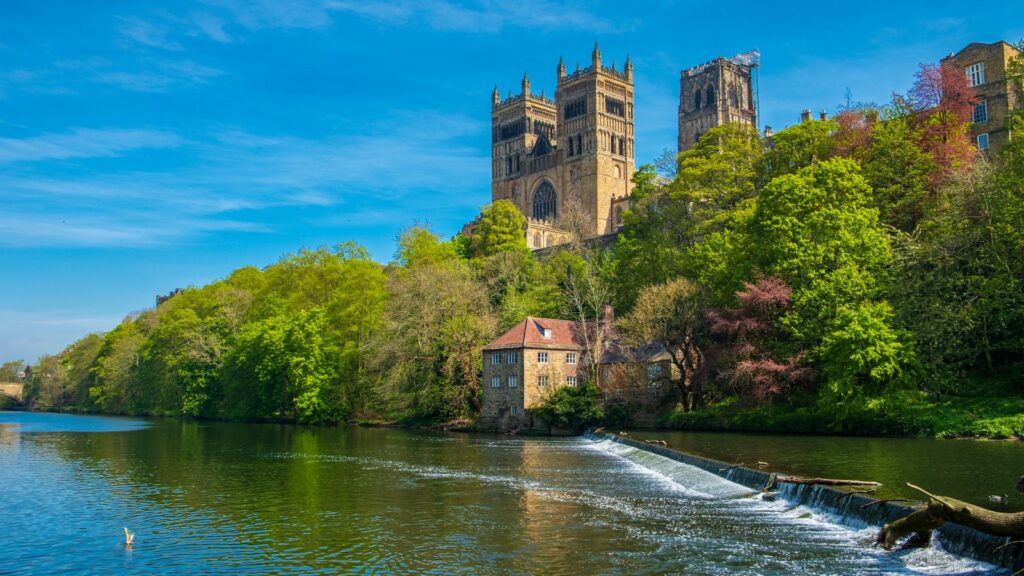
10. Durham — Not York
Durham’s cathedral, riverside setting, and cobbled streets rival any historic city in England, yet the atmosphere remains calmer and more local. Visitors can explore the cathedral and castle, walk peaceful riverside paths, and enjoy independent cafés and bookshops without the intensity of larger tourist cities.
Best time to visit: Year-round
More information: thisisdurham.com
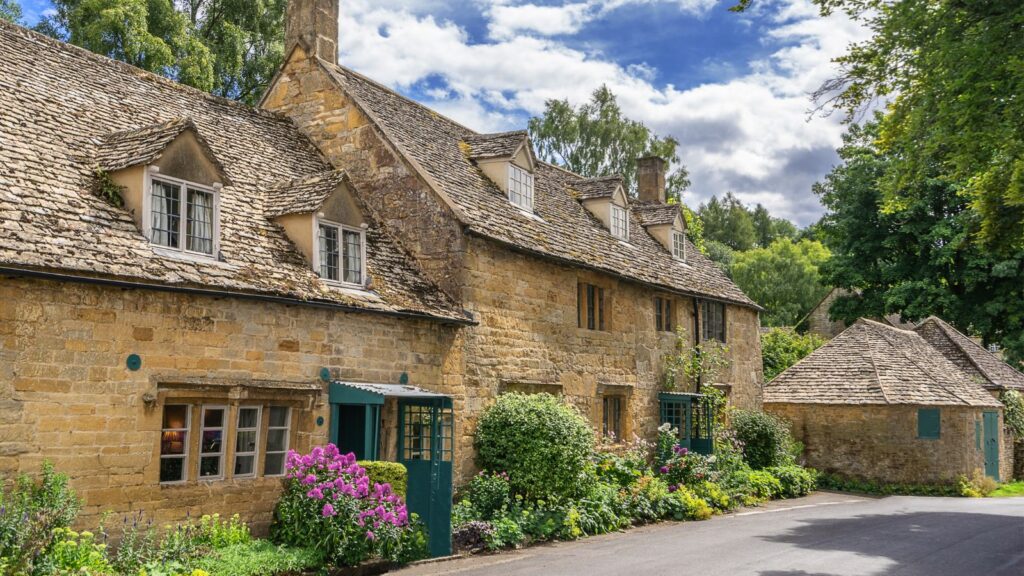
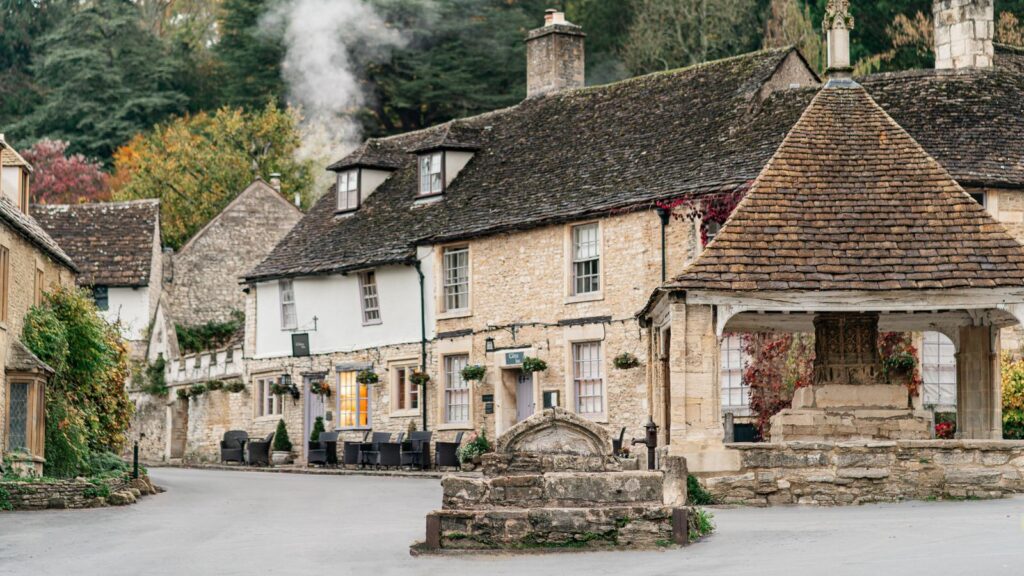
11. Snowshill— Not Bibury
Home to the famous Arlington Row, Bibury has become a bucket-list Cotswold destination. Snowshill, however, retains the historic village and peaceful village feel that visitors to Bibury are actually searching for.
Whilst it provides its own claim to fame – the village was used as the famous snow scene at Bridget Jones parents’ home in the film of the same name – travellers can wander quiet village lanes with honey coloured cottages, explore surrounding walking trails, visit Snowshill Manor and gardens, and experience the slower pace that defines the English countryside.
Best time to visit: Spring and Autumn
More information: visitcotswolds.com
12. Fowey — Not Padstow
Fowey combines Cornwall’s coastal beauty with a slower and more understated atmosphere centred around sailing heritage, estuary walks, and exceptional local food. Visitors can take boat trips along the estuary, walk the South West Coast Path, discover hidden coves, and enjoy seafood restaurants overlooking the water.
Best time to visit: May to September
More information: fowey.co.uk
Castles
13. Rock of Dunamase – Not Blarney Castle
Instead of queues and tourist rituals, the Rock of Dunamase offers dramatic ruins, panoramic countryside views, and a far more atmospheric connection to Ireland’s medieval past. Visitors can freely explore the hilltop ruins, enjoy sweeping views across the Irish countryside, and experience a quieter side of Irish heritage.
Best time to visit: April to October
More information: discoverireland.ie
14. Stirling Castle — Not Edinburgh Castle
Stirling delivers much of the grandeur travellers expect from Edinburgh Castle, but with a stronger historical narrative and easier access to Scotland’s surrounding landscapes. Alongside the castle itself, visitors can explore nearby battlefields, walk the surrounding hills, and connect Scotland’s history with its dramatic scenery.
Best time to visit: Year round
More information: historicenvironment.scot
15. The Castles of Northumberland — Not Windsor Castle
Northumberland’s coastline is dotted with spectacular castles set against vast beaches and dramatic coastal scenery. Travellers can combine visits to Bamburgh, Alnwick, and Dunstanburgh with coastal walks, wildlife spotting, cycling routes, and quiet seaside villages that feel wonderfully untouched.
Best time to visit: April to September
More information: visitnorthumberland.com
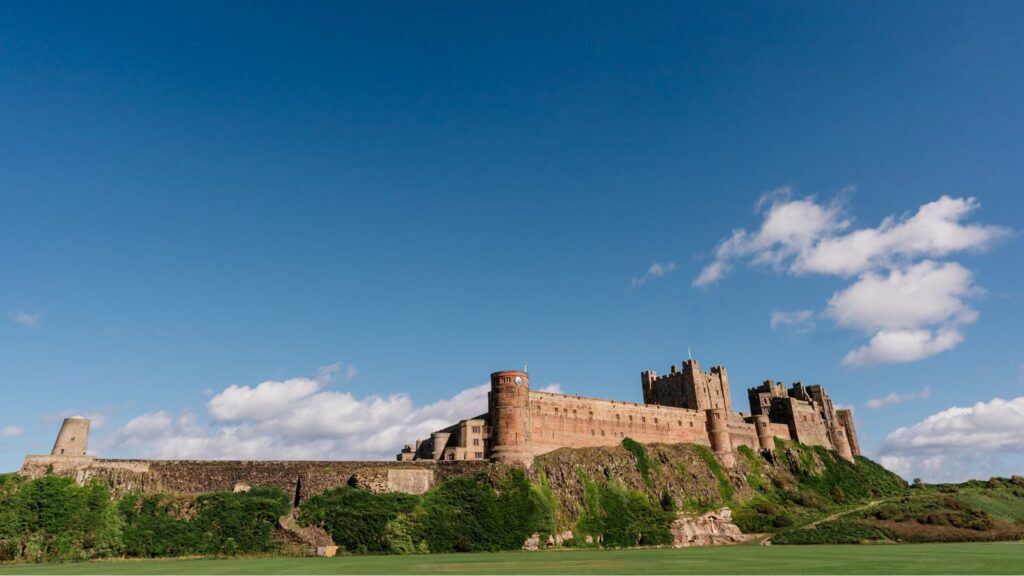
16. Carreg Cennen Castle — Not Caernarfon Castle
Perched dramatically above the Welsh countryside, Carreg Cennen combines myth, landscape, and adventure in a way very few castles can match. Visitors can climb through the ruins, explore the castle cave beneath the fortress, and take in sweeping views across the Brecon Beacons landscape.
Best time to visit: Spring to Autumn
More information: carregcennencastle.com
Landscapes
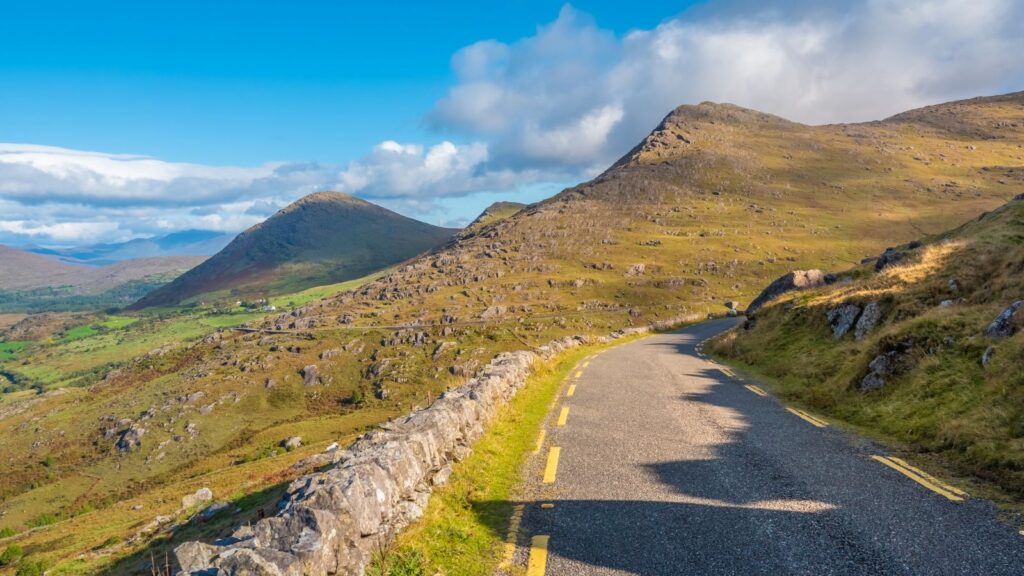
17. The Ring of Beara — Not the Ring of Kerry
The Ring of Kerry remains famous for a reason, but the Beara Peninsula offers equally spectacular scenery with quieter roads and a much stronger sense of exploration. Travellers can drive winding mountain passes, discover colourful villages, walk remote coastal trails, and experience meaningful interactions with local communities along the route.
Best time to visit: May to September
More information: bearatoursim.org
18. Wiltshire & Somerset Cotswolds — Not the Oxfordshire Cotswolds
The Wiltshire and Somerset Cotswolds offer the same rolling countryside, picture-perfect honey-stone architecture, burgeoning food culture, and exceptional walking routes without the increasing pressure of overtourism that sometimes besets the Northern Cotswolds.
Here in the far south of the Cotswolds, wonderful towns and villages, such as Malmesbury and Marshfield, deliver those classic Cotswold landscapes, and just outside the National Landscape border, visitors can explore typical regional specialities like Somerset Cider or Lardy Cake.
Best time to visit: Spring to Autumn
More information: visitsomerset.co.uk | visitwiltshire.co.uk
19. College Valley — Not the Lake District
Hidden near the Scottish border, College Valley provides the solitude many travellers hope to find in the Lake District but rarely do during peak travel periods. Travellers can hike remote hill trails, experience incredible dark skies, spot wildlife, and reconnect with nature in near complete silence.
Best time to visit: May to October
More information: college-valley.co.uk
20. Causeway Coastal Route — Not Just Giant’s Causeway
The Giant’s Causeway deserves its reputation, but the surrounding coastal route is where Northern Ireland truly reveals its beauty. Visitors can walk cliffside trails, cross the Carrick-a-Rede Rope Bridge, explore castles and fishing villages, and discover hidden beaches along one of Europe’s most scenic drives.
Best time to visit: April to September
More information: causewaycoastalroute.com
Why Alternative Travel Matters
As today’s travellers increasingly prioritise authenticity, sustainability, and meaningful experiences, alternative destinations are no longer perceived as inferior or second-rate. In fact, for many, they are becoming the preferred choice for those searching for deeper and more memorable connections to the places they visit.
This creates an opportunity to design itineraries that reduce pressure on overtouristed hotspots, extend visitor dispersal into regional communities, and deliver richer experiences that travellers will genuinely remember long after the trip ends.
We believe the future of travel lies beyond the tickbox, in the places people remember not because they were famous, but because they felt something when they were there.

Experienced by
Sophie
Content Marketing Manager