
Updated: 18/08/2026
8 mins
Destination: UK & Ireland
Share
Literary Journeys Through Britain
In this article
Books, brilliant stories and… boots?
Britain’s literary history has long been celebrated with a museum, an anniversary celebration or a literary festival. But what if we encouraged fictional fanatics to step beyond the museum door and into the landscapes that inspired the stories themselves? Could this be where the magic, literally and figuratively, happens?
Oxford’s hidden lanes and riverside paths. The wild, windswept Yorkshire moors. The crashing waves of a Cornish coastline. The remote fells of the Lake District. These are stunning landscapes, which alongside expert guides who know the stories behind the stories, can be truly brought to life.
For travel agents looking to create something memorable, literary travel offers a fascinating foundation. Indeed, pushed on by the power of #BookTok, travellers are “getting lit” centering itineraries around a favourite novel or author.
With an exceptional hotel selection, time with engaging local characters, great food and carefully chosen walking routes to highlight a storied location or author experience, a simple visit becomes a journey guests will talk about long after they’ve returned home.
Tolkien & C.S. Lewis in Oxford
This city shaped the imaginations of J.R.R. Tolkien and C.S. Lewis, and their presence still lingers in its colleges, courtyards and historic pubs. Follow a guide as they bring their world vividly to life, tracing the friendships, debates and creative sparks that gave us Middle-earth and Narnia.
One of the most fascinating discoveries comes on a walk through Magdalen College’s famous Addison’s Walk. It was here, during a late-night conversation between Lewis, Tolkien and fellow Inkling Hugo Dyson, that Lewis is said to have undergone a profound shift in his thinking, a moment that would later influence his writing and faith. It’s one of Britain’s most important literary walks, yet many visitors pass through without realising its significance.
Guests can also seek out the tiny doorway on St Mary’s Passage, often linked by Narnia enthusiasts to the wardrobe door that transported Lucy into another world. Fact or literary folklore, that’s up to you decide!
Pair a morning exploring Oxford’s literary landmarks with an afternoon in the surrounding countryside, where ancient woodlands, riverside walks and charming villages reveal another side of Tolkien’s inspiration. Add a leisurely lunch in a traditional country pub and a stay at the characterful Old Parsonage Hotel.
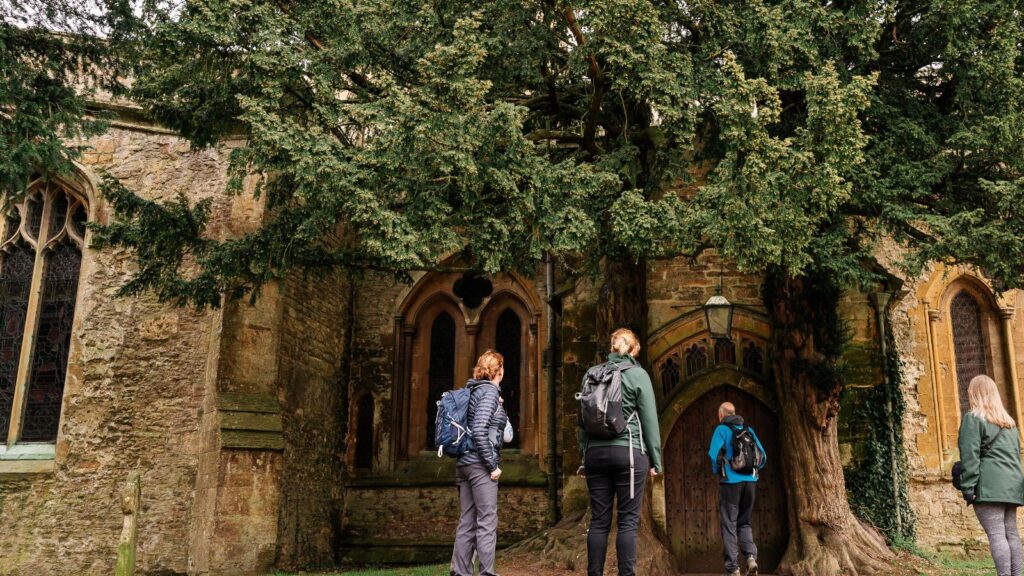
Jane Austen’s Bath
The honey-coloured terraces, sweeping crescents and graceful streets that Jane Austen knew remain remarkably unchanged, making it easy for visitors to immerse themselves in her world.
A private walking tour allows guests to discover the places that shaped Austen’s life and writing while uncovering the social history behind her novels. The conversations, customs and unwritten rules of Georgian society suddenly feel far more real when you’re standing in the very streets where they played out.
One of the joys of exploring Bath on foot is realising just how compact Austen’s world was. Guests can follow the routes between the Assembly Rooms, the Pump Room and the streets where she lived, discovering locations that still feel instantly recognisable from Persuasion and Northanger Abbey. Guides often share another intriguing detail: Austen wasn’t entirely convinced by Bath when she first arrived, giving visitors a glimpse of the complicated relationship between author and city.
The real beauty of Bath is how easily it combines with other experiences. Build in a traditional afternoon tea, a visit to the Roman Baths, or a walk into the surrounding Cotswold countryside. Finish the day at the Bird, Bath, tucked away in a quiet Georgian square, and you’ve created an itinerary that balances literary heritage with genuine indulgence.
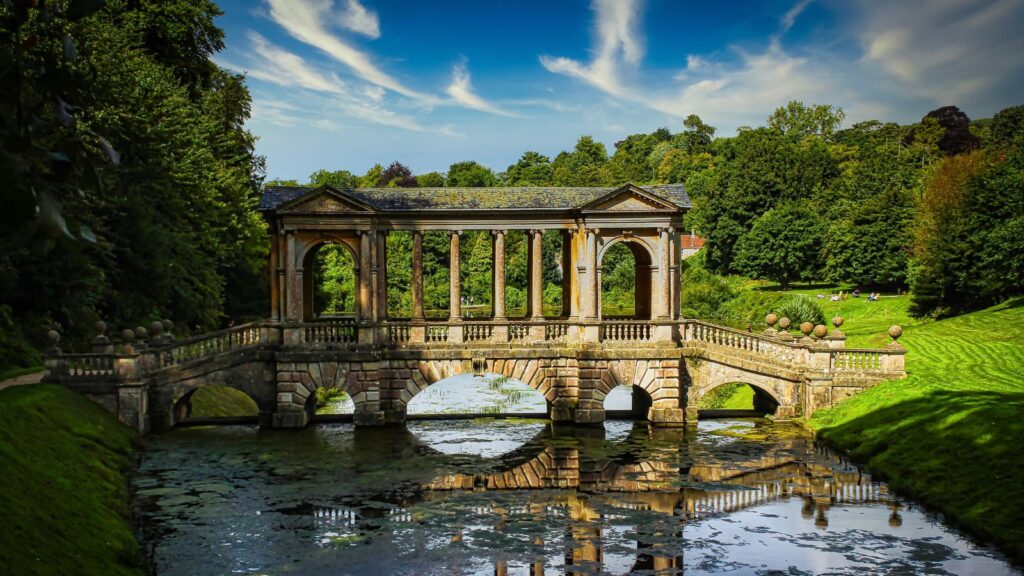
Wordsworth and Potter’s Lake District
Few places combine literary heritage, spectacular scenery and active exploration quite so naturally as the Lake District. For William Wordsworth and Beatrix Potter, the landscape wasn’t simply inspiration, it was central to their lives and work.
This is a destination made for walking. Guided routes can connect literary sites with some of England’s most beautiful scenery, allowing guests to experience the landscapes that inspired Wordsworth’s poetry while enjoying the region’s famous lakes, valleys and fells.
Near Grasmere, guides can bring Wordsworth’s world vividly to life, connecting the poet’s writing to the landscapes surrounding Dove Cottage and Rydal Mount. Meanwhile, Beatrix Potter’s legacy surprises many visitors. Beyond creating Peter Rabbit and friends, she was an accomplished sheep farmer and conservationist whose work helped preserve much of the landscape visitors enjoy today.
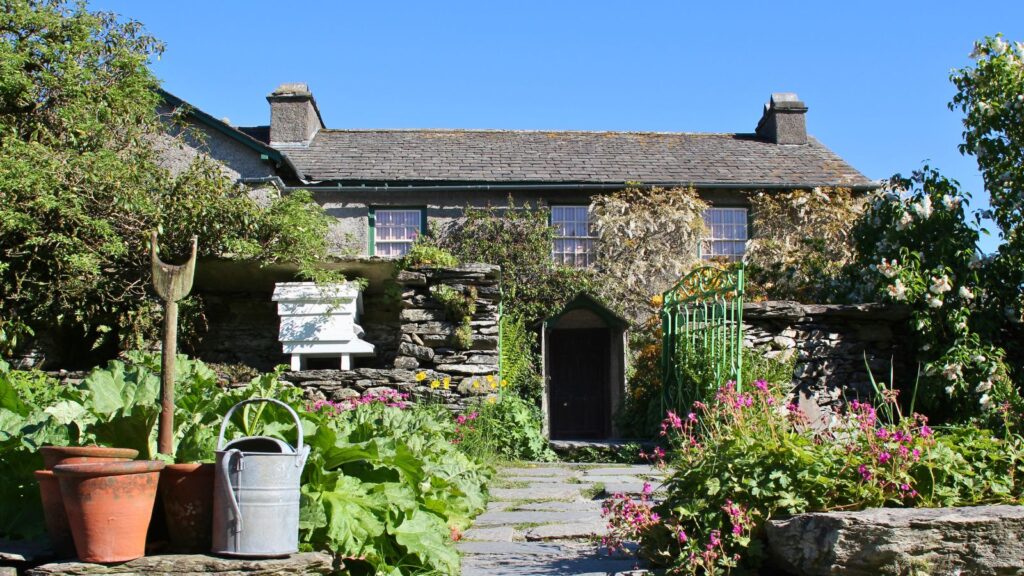
Visits to Hill Top (Beatrix Potters farmhouse) and the surrounding countryside reveal not only the origins of her beloved characters but also her lasting contribution to the National Trust and traditional Lake District farming.
The Samling Hotel in Windermere makes an ideal base, combining luxury with easy access to some of the region’s finest walking routes.
The Brontës’ Yorkshire
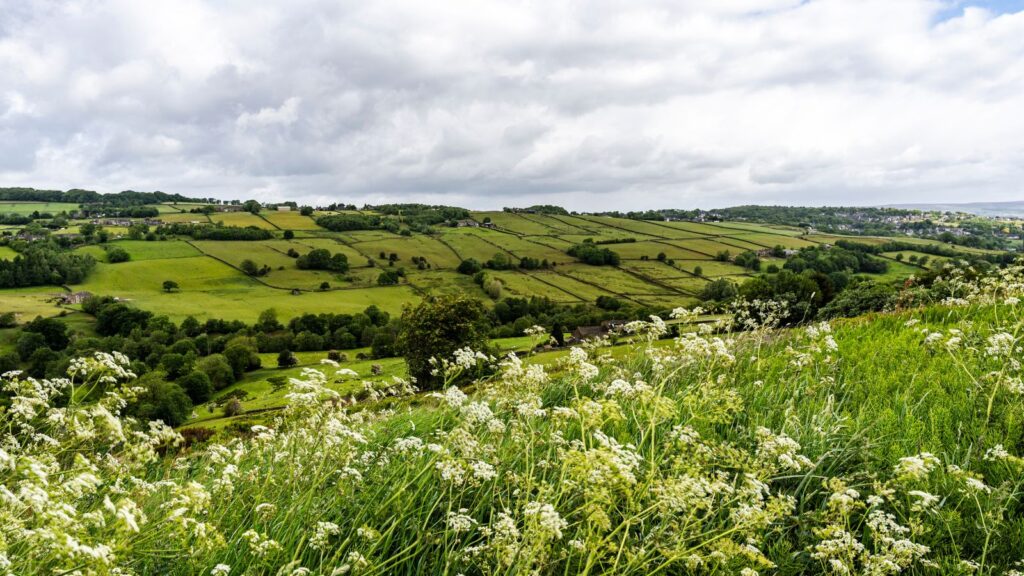
Beginning in Haworth, visitors to Yorkshire can explore the Brontë family home before venturing onto the moorland paths that inspired some of English literature’s most iconic novels
Walking onto the moors offers another fascinating perspective. Much of the landscape remains remarkably unchanged from the sisters’ lifetime, allowing travellers to experience many of the same views that helped inspire Wuthering Heights and Jane Eyre.
Along the route, guides often share the story of how Charlotte, Emily and Anne initially published under the male pen names Currer, Ellis and Acton Bell, reflecting the barriers faced by women writers in Victorian Britain.
The charming Fleece Inn in the heart of Haworth is perfectly placed for both the Brontë Parsonage and the surrounding walking routes, making it an ideal base for exploring the region.
Daphne du Maurier’s Cornwall
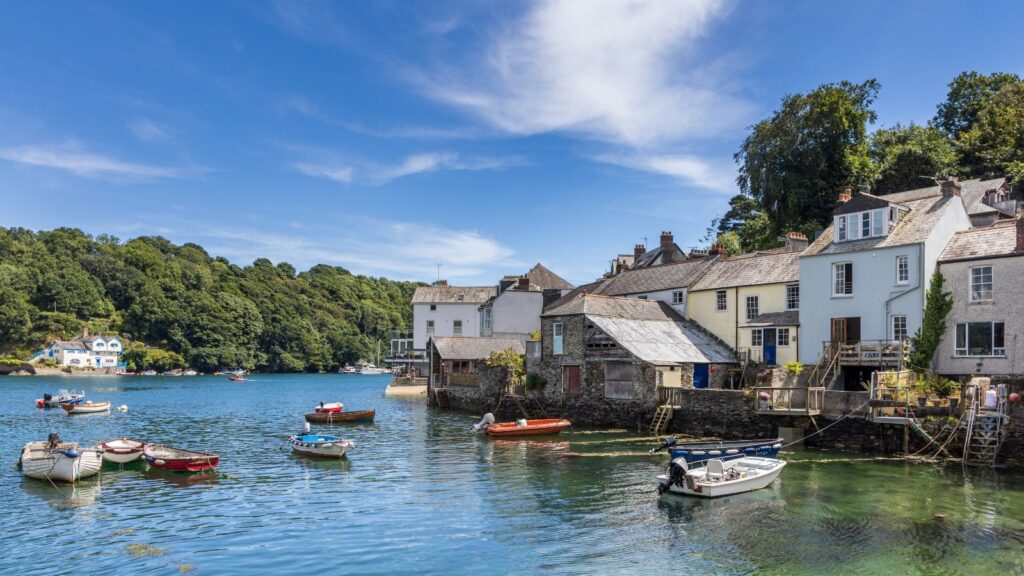
The dramatic coastline, hidden coves and atmospheric harbours that inspired Daphne du Maurier continue to captivate visitors today. Around Fowey in particular, the connection between place and page feels wonderfully tangible.
One of the highlights is uncovering the places that shaped du Maurier’s imagination. Walking through Fowey, guests can discover the house where she lived and the estuary views that found their way into her writing. Along the South West Coast Path, dramatic cliffs and hidden coves quickly reveal why she became so deeply attached to Cornwall, describing it as a place that gets “into your blood.”
Pair a stretch of the South West Coast Path with a knowledgeable local guide, lunch overlooking the sea and a stay at The Old Quay House, a charming boutique hotel perched above the water.

Experienced by
Sophie
Content Marketing Manager