
West Kernow Way - Hiking
Country
England
Region
Devon & Cornwall
Theme
Iconic Journeys
10
Days
9
Nights
Accommodation
3*
The Cornish leg of the South West Coast Path.
The South West Coast Path traces Britain’s longest continuous walking trail and this Classic walking journey focuses on Cornwall’s most distinctive sections, where high cliffs give way to sheltered estuaries and fishing villages sit close to the waterline. From the north coast which feels open and exposed, defined by Atlantic swell and long headlands to the south coast with its wooded creeks and calmer seas. Along the way, the path passes places shaped by fishing, art, literature and communication, from Padstow and St Ives to Land’s End and the Helford River. For many, the route carries an added resonance through The Salt Path, Raynor Winn’s account of walking this coastline during a period of personal upheaval.
Highlights
- Coastal walking around Padstow and the Camel Estuary
- Cliff paths between Harlyn, Trevone and Constantine Bay
- Harbour villages of Mousehole, St Ives and St Mawes
- Walking at Land’s End and Porthcurno
- The Minack Theatre above the Atlantic
- Estuary and woodland walking on the Helford and Fal
Handpicked Accommodation
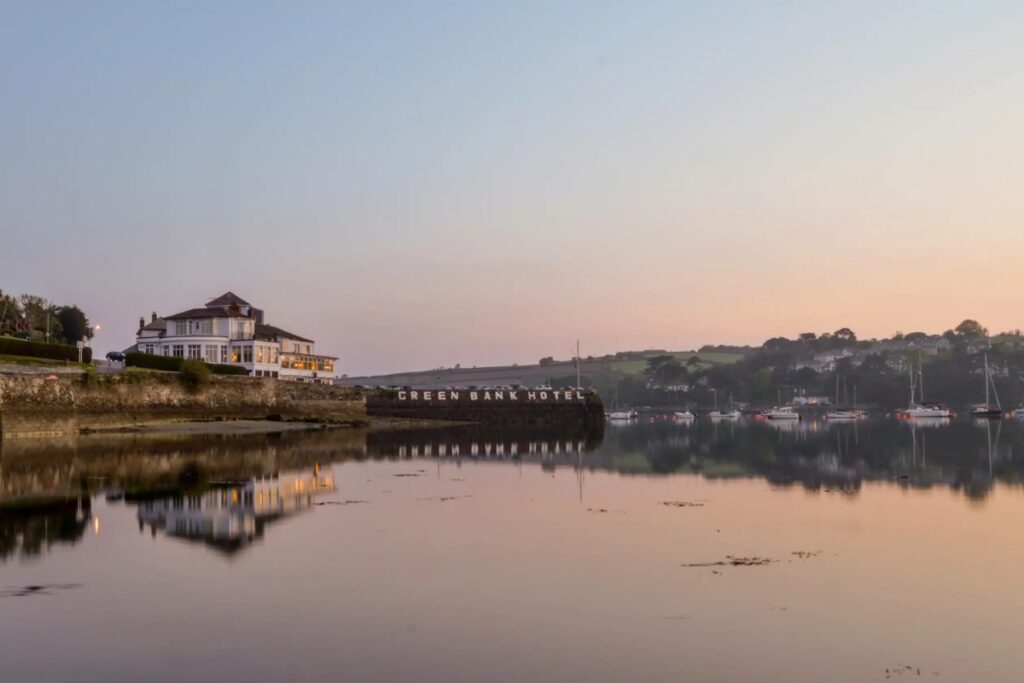
Greenbank Hotel, Falmouth
A long-established maritime hotel on the banks of the River Fal, the Greenbank has been welcoming seafarers and travellers since the 19th century
Why we chose it
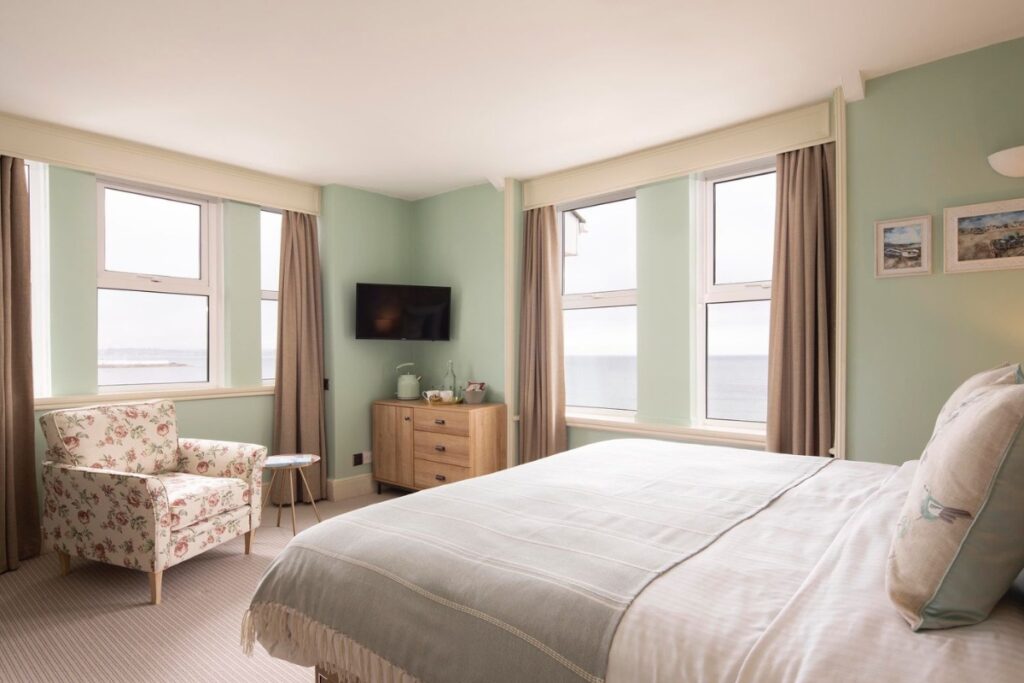
Hotel Penzance, Penzance
Overlooking Mount’s Bay, this Victorian hotel sits above the promenade with views across the sea. Penzance has long been a gateway to west Cornwall, shaped by trade, art and travel.
Why we chose it
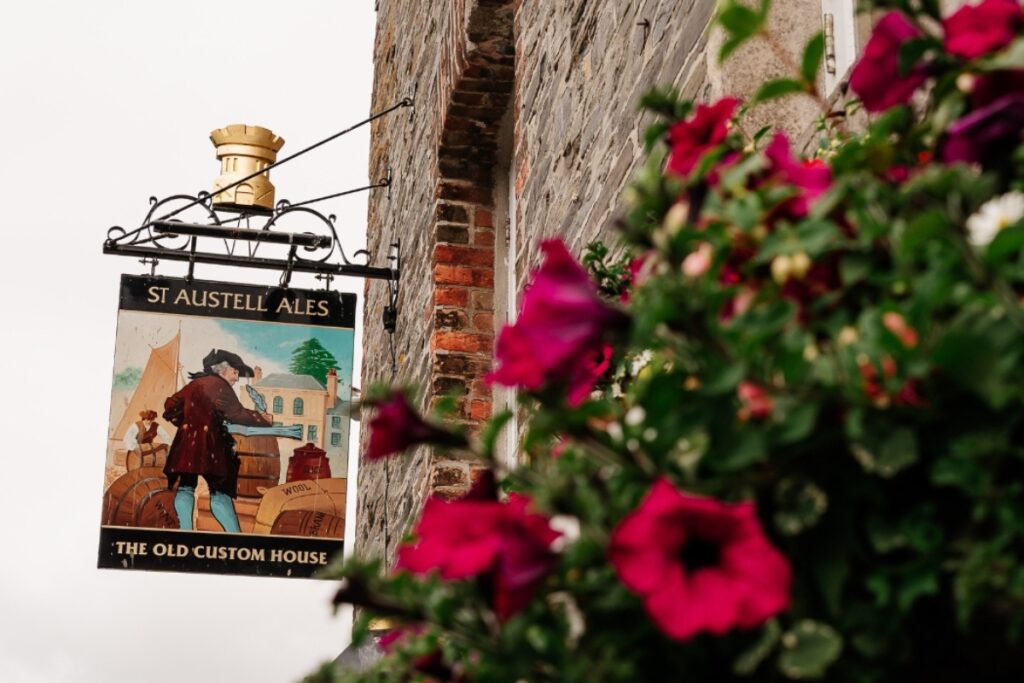
Old Custom House, Padstow
Set on the harbour front, this former 19th-century customs house now offers relaxed coastal accommodation with views across the Camel Estuary.
Why we chose it
Stepping straight out onto the harbour allows guests to slip immediately into Padstow’s atmosphere, with boats rocking gently outside and the tide setting the tempo
Itinerary
Day 1 – Arrival in Cornwall and Hawker’s Cove
Arrive at Bodmin Parkway, where your local guide meets you for the transfer to Padstow. After a relaxed lunch, either in a café or with a Cornish pasty enjoyed by the water, set out on a gentle introductory walk. The route leads out towards Hawker’s Cove, a quiet beach at the mouth of the River Camel once used by pilots guiding ships into the estuary. The walk offers an easy stretch of the legs and a first taste of Cornwall’s coastal light. Return to Padstow for your first dinner together.
Day 2 – Camel Estuary Loop via Pentire
Cross the Camel Estuary by ferry from Padstow to Rock, a crossing that has linked the two sides of the river for centuries. From Rock, follow the coast path as it loops back towards Padstow via Pentire Head. This section offers a mix of headland walking and wide sea views, with sand below and Atlantic swell beyond. Pentire was once farmland and still carries a strong sense of openness. Return to Padstow in the afternoon, with the evening free to dine locally, whether at one of the town’s restaurants or simply with fish and chips on the harbour wall.
Day 3 – Padstow to Constantine Bay
Set out from Padstow along the cliffs, following the coast north through Harlyn, Trevone and on to Constantine Bay. This stretch is defined by exposed headlands, wide beaches and constant views over the sea. The walking here feels purposeful and expansive, with each bay offering a change in scale and mood. At the end of the route, take the local bus back to Padstow (an experience in itself!), where the afternoon and evening are left open to enjoy the town at your own pace.
Day 4 – Penzance to Mousehole
Transfer west to Penzance and begin walking along the coast towards Newlyn. This working fishing town remains one of the busiest in England, and its harbour still reflects a daily rhythm shaped by the sea. Continue on to Mousehole, where narrow lanes and tightly clustered cottages curve around a sheltered harbour. The village has long attracted artists drawn to its light, look and feel. After time to explore, transfer back to Penzance for an evening by the promenade or a visit to a local gallery.
Day 5 – St Erth to St Ives
Transfer to St Erth and begin walking towards St Ives along a route that follows the railway line and then the coast. This section reveals why St Ives became such a magnet for artists in the early 20th century, the light here is unusually clear, reflected off pale sand and sea. Arrive in St Ives with time to explore its harbour, beaches and independent galleries. After lunch, return to Penzance, leaving the afternoon open to rest or further exploration.
Day 6 – Land’s End to Porthcurno
Walk from Land’s End to Porthcurno along one of Cornwall’s most dramatic coastal routes. The cliffs here fall steeply into the Atlantic, with little shelter from wind or weather. Pass the Minack Theatre, carved directly into the granite cliffs by Rowena Cade in the 1930s. Continue on to Porthcurno, once the landing point for undersea telegraph cables that connected Britain to the wider world. There is time to visit the Telegraph Museum before returning to Penzance.
Day 7 – Daphne du Maurier country
Transfer to the south coast and begin walking at Helford, following paths through wooded valleys and beside the tidal river. The Helford landscape inspired Daphne du Maurier’s Frenchman’s Creek, and its quiet coves retain a sense of seclusion. Continue to Maenporth Beach, where sand and calm water offer a gentle contrast to the exposed cliffs of the north coast. Finish in Falmouth, where maritime history and harbour life define the town.
Day 8 – Flushing to Mylor
Fal Estuary towards Mylor, passing creeks, boatyards and quiet waterside paths. Mylor has a long sailing tradition and remains an active harbour. After time to pause, return to Falmouth by ferry or on foot, with the afternoon free to enjoy the town.
Day 9 – St Mawes to St Anthon
Travel by ferry to St Mawes, then continue by boat to St Anthony Head. From here, walk along the Roseland Peninsula, where the coastline becomes softer and more pastoral. The route passes wooded slopes and sheltered coves, offering wide views back across the estuary. Return to Falmouth by ferry for a final evening together.
Day 10 – Departure
After breakfast, transfer to Truro railway station for onward travel.
Itinerary Designer

The route links coves, harbours and headlands – just as they’ve done for hundreds of years. Walking them helps reflect on how the Cornish lived and worked.
Gaby

Featured Experience
Walking Cornwall’s changing coastline
Exposed headlands give way to hidden coves, busy harbours soften into wooded estuaries, and the character of the sea shifts with each turn of the path.
Enquire
The purpose of this sample itinerary is to inspire and demonstrate what we can offer. All aspects of any trip will be tailored to the needs of your clients. If you’re working on a live enquiry or need assistance building a trip to sell, contact us today.