
Updated: 23/10/2026
10 mins
Destination: England
Share
Stories from the Cotswold Way: 9 Places That Bring the Cotswolds to Life
Ask someone to picture the Cotswolds, and chances are they’ll describe honey-coloured cottages, rolling hills, pretty villages and perhaps a country pub with a very good Sunday roast. And they’d be right. But there’s a lot more going on beneath that quintessential, classically English image.
Tracing a route from North to South, the Cotswold Way is, at least for us, an interesting lens to understand the history of the Cotswolds. From medieval monks and rebellious Bible translators to local legends involving the Devil himself. There are old industries finding new life, independent producers doing things differently and communities keeping historic traditions alive in ways you might not expect.
It’s one of the things we love most about exploring this part of England. You can set off expecting a beautiful countryside walk and find yourself learning about a centuries-old religious scandal, discovering an abandoned quarry or chatting about locally brewed beer over lunch.
The Cotswold Way National Trail runs for approximately 102 miles (164 kilometres) between Chipping Campden and Bath, following the western edge of the Cotswold escarpment. It’s a fantastic walking route, but it’s the places and stories along the way that give the journey its character.
For travel advisors, these are the details that help turn a walking holiday into something much more personal. Whether your clients are keen walkers, history enthusiasts, food lovers or simply enjoy getting to know somewhere properly, there’s plenty to discover.
Here are nine stories from the Cotswold Way and its surrounding communities that we think are worth sharing.
1. Broadway Tower and the Cotswold Look
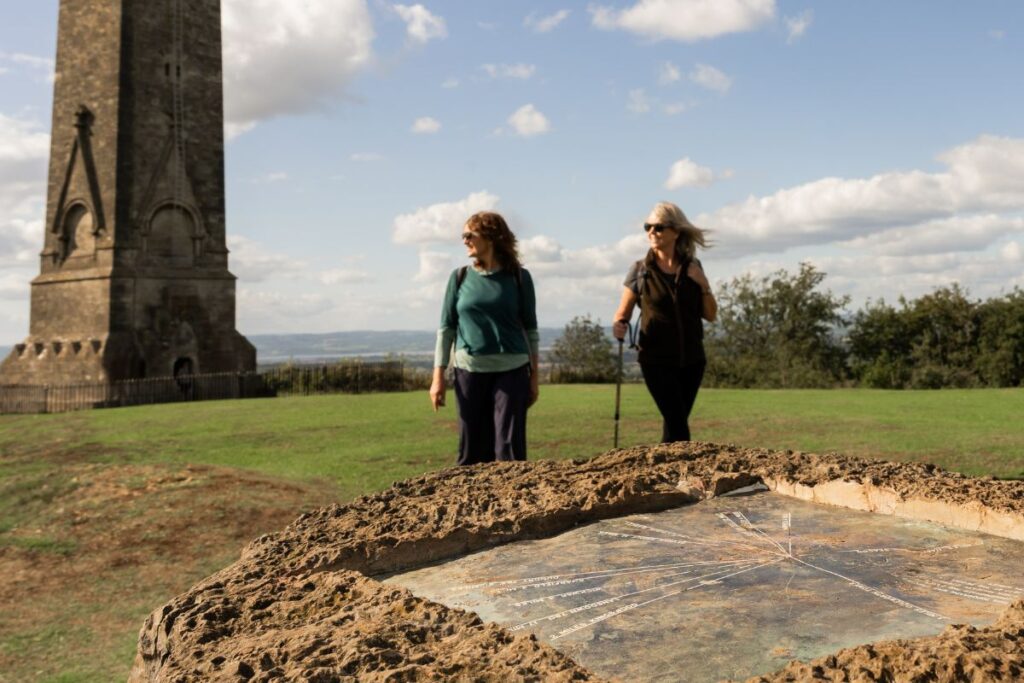
This rather grand-looking Tower stands proudly above one of the Cotswolds’ prettiest villages. On a clear day, the views stretch across 16 counties. But despite it looking like something from a medieval fairy tale, Broadway Tower isn’t actually medieval at all.
Built in 1798 as a folly and designed by architect James Wyatt for the Earl of Coventry, it’s a wonderful introduction to something we often take for granted about the Cotswolds: the region’s famous appearance has been shaped by people just as much as nature.
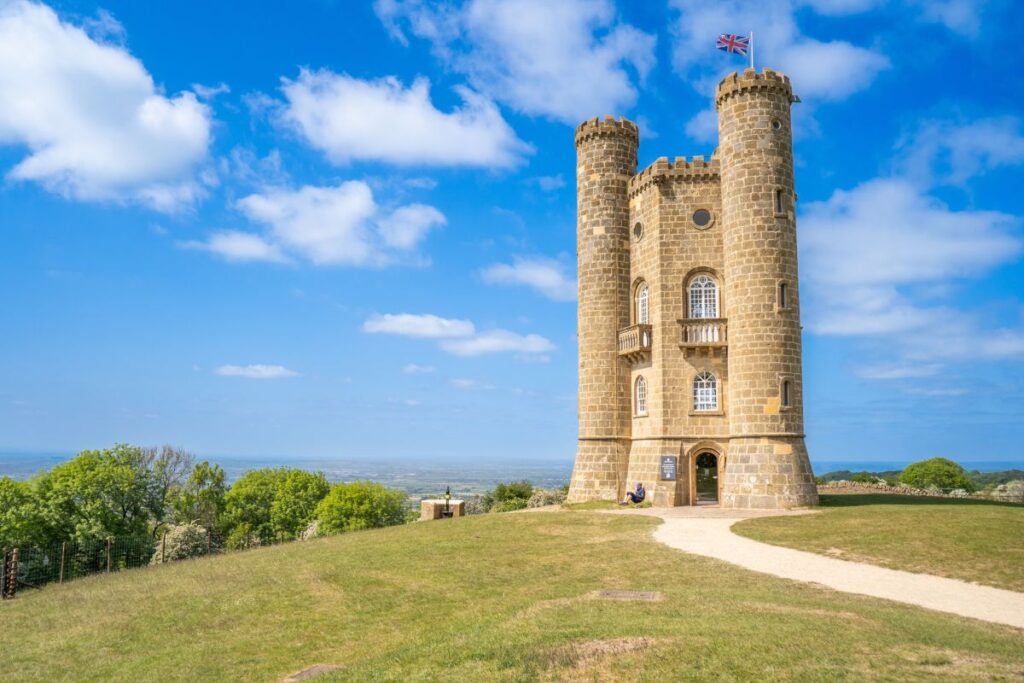
The honey-coloured limestone, traditional cottages and carefully preserved villages all contribute to the Cotswold aesthetic, but so do centuries of architecture, design and changing tastes. Broadway itself became something of a creative retreat during the nineteenth century, attracting artists, writers and designers who were drawn to its beautiful surroundings.
Today, the village remains a favourite stop, with independent shops, cafés and plenty of opportunities to admire the local architecture.
2. Hailes Abbey and the Holy Blood Relic
A little detour from the Cotswold Way near Winchcombe, you’ll find the ruins of Hailes Abbey. It’s a peaceful spot today, surrounded by stunning countryside, but several hundred years ago it was one of England’s important pilgrimage destinations.
And the reason people travelled here is quite a story. Founded in 1246, Hailes Abbey became famous for possessing a relic believed to contain the blood of Christ. Known as the Holy Blood, it attracted pilgrims from across medieval England, many of whom travelled considerable distances to see it.
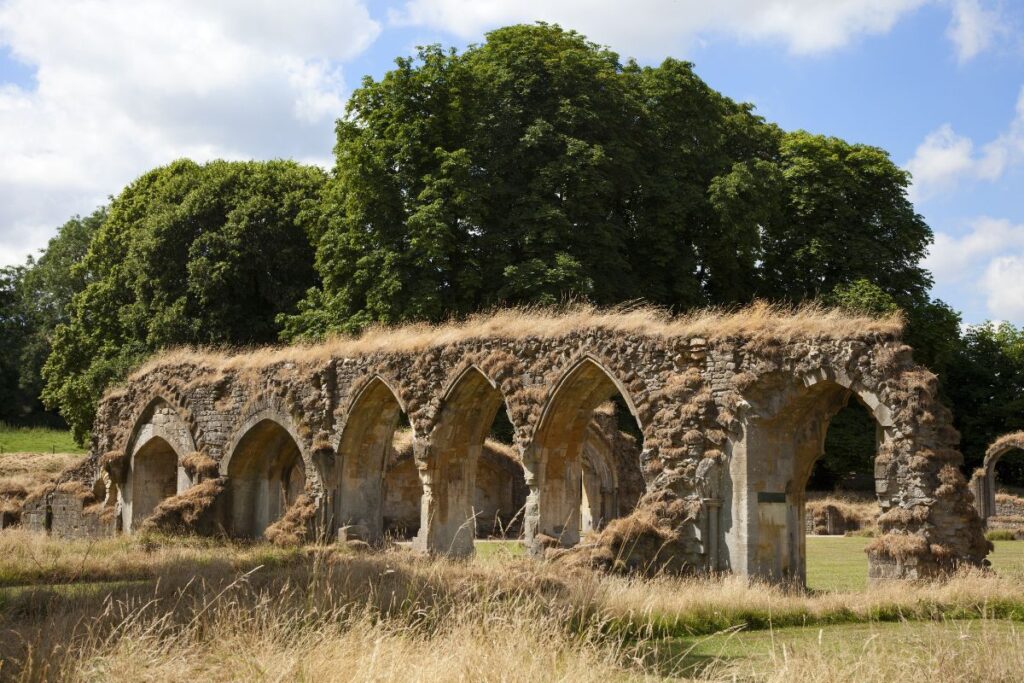
During the English Reformation, the relic was denounced as fraudulent, and the abbey was dissolved under Henry VIII in 1539. Quite the downfall for somewhere that had once attracted visitors from across the country.
Today, the ruins are managed by English Heritage and offer a fascinating glimpse into the area’s medieval past.
We often talk about walking as a way to slow down and connect with a place, but Hailes Abbey is a reminder that people have been doing exactly that for centuries, albeit for rather different reasons. For clients interested in history, it’s a worthwhile detour that brings a whole new meaning to the idea of a walking pilgrimage.
3. The Devil’s Chimney: Folklore above Cheltenham
Standing on Leckhampton Hill above Cheltenham, thiscurious limestone rock formation looks rather like a chimney rising out of the hillside. It’s an interesting landmark in its own right, but naturally, the locals have a more entertaining explanation for how it got there.
According to local folklore, the Devil was involved in a dispute with the people of Cheltenham, and the chimney is said to be connected to his attempts to cause trouble for the town. The more practical explanation is that the formation is linked to the area’s limestone quarrying history.
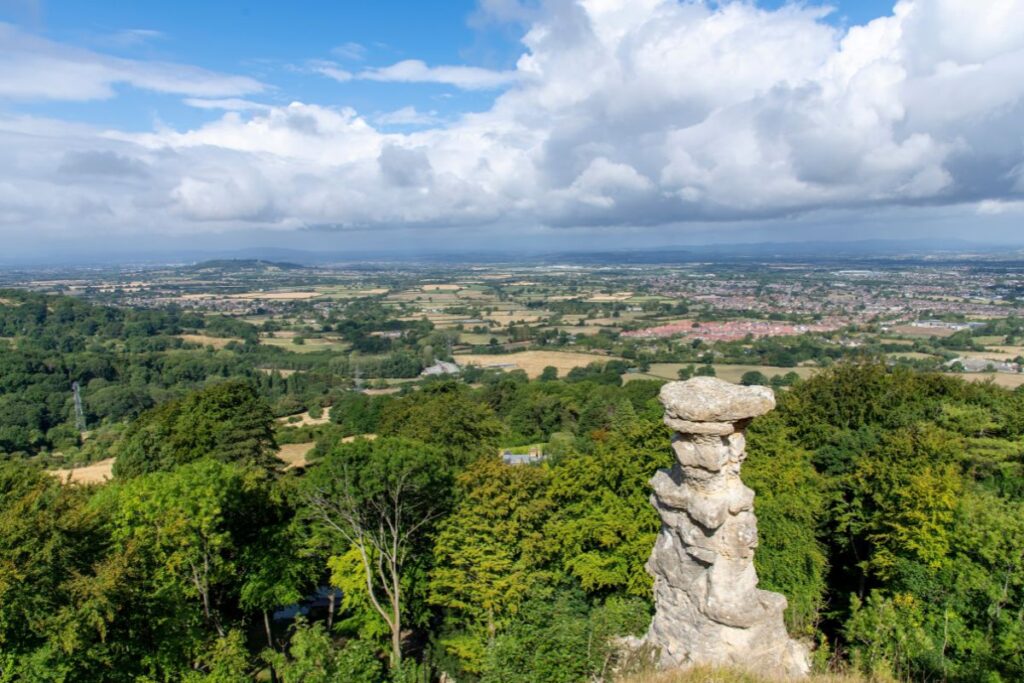
Leckhampton Hill was once a busy industrial landscape, with stone extracted and transported down the hillside to help build Cheltenham and its surrounding communities.
Today, the old quarry workings have largely been reclaimed by nature, leaving behind a fascinating mix of industrial remains, wildlife and walking paths.
4. Cotswold Canals and the Return of a Working Waterway
The Cotswolds aren’t usually associated with canals, which is perhaps why the waterways around Stroud come as such a surprise to visitors.
Today, this area is known for its creative communities, independent businesses and beautiful valleys. But rewind a couple of hundred years, and this was a busy industrial landscape.
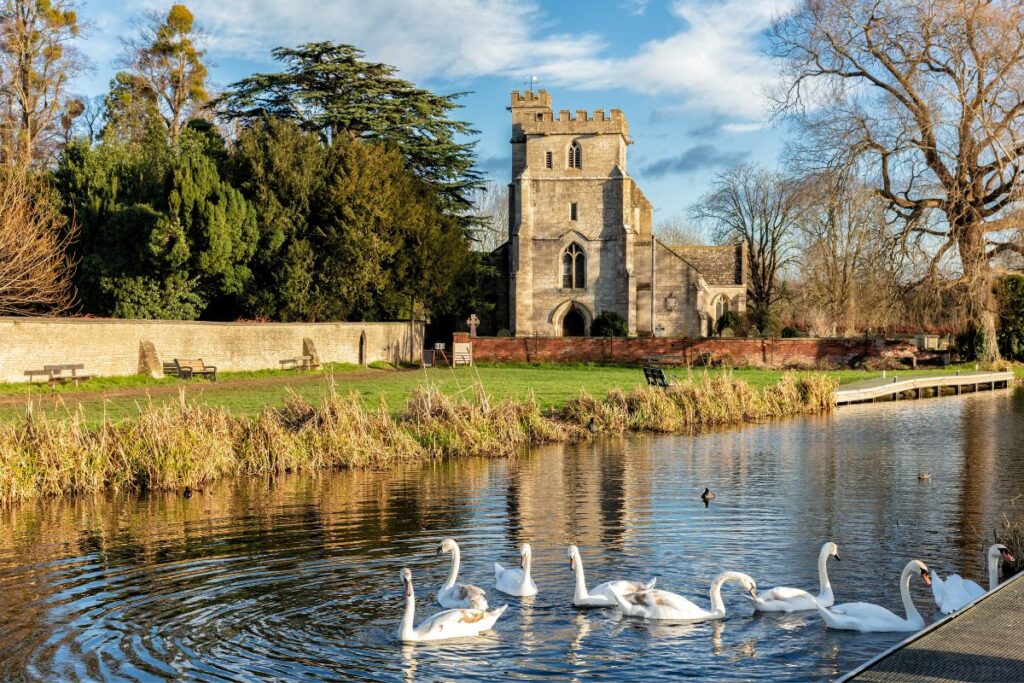
The Stroudwater Navigation and Thames and Severn Canal were built during the eighteenth century to transport goods between the River Severn and the River Thames. Coal, stone and materials for the local woollen mills all travelled along these waterways, helping the region’s industries thrive. Then came the railways, and like many canals across Britain, the waterways gradually fell out of use.
For years, sections were abandoned, filled in or left to nature. But today, the Cotswold Canals Trust and its partners are working to restore sections of the network, bringing old locks, bridges and towpaths back into use. It’s a huge undertaking, involving engineering, conservation and a great deal of local enthusiasm.
Restored stretches of canal now provide places for walking, wildlife watching and enjoying the countryside from a completely different perspective.
5. Stroud Brewery: Organic Brewing in the Cotswolds
Exploring somewhere properly should involve its food and drink. And after a good day of walking, a locally brewed beer is rarely a bad idea.
Stroud Brewery, based in Brimscombe near Stroud, is a brilliant example of the Cotswolds’ modern food and drink culture. Founded in 2006, the brewery has built its reputation around organic brewing, sustainability and supporting a more responsible approach to food production.
It’s not just about what’s in the glass, either. The brewery’s taproom has become a popular gathering place, hosting events and bringing together good food, local people and, naturally, plenty of beer. It’s a lovely contrast to the traditional country pubs that many visitors associate with the Cotswolds.
Of course, there’s absolutely nothing wrong with a cosy pub and a roaring fire. But the region also has a thriving community of independent producers, artisan businesses and people who care deeply about where their ingredients come from. And we think that’s an important part of the Cotswold story too.
For clients who enjoy food-led travel, experiences like this offer a chance to discover the people and businesses shaping the region today.
At this stage, it’d be remiss of us not to point you in the direction of Dunkertons Organic Cider, another boozy stop on the Cotswold Way that foodies shouldn’t miss.
6. Stroud Waters and the Future of Outdoor Swimming
Whilst the Cotswold Way is a hiking route, the surrounding countryside offers plenty of opportunities to enjoy nature in other ways too. Around Stroud, outdoor swimming has long been part of local life. The outdoor pool at Stratford Park is a much-loved local landmark, while the wider Stroud valleys are home to rivers and waterways that have shaped the area for generations.
In recent years, outdoor swimming has attracted renewed interest, particularly among people looking for ways to spend more time in nature and enjoy a slower pace of life.
7. Ruskin Mill: Keeping Traditional Craft Alive
From the woollen mills that once powered the local economy to the stoneworkers responsible for those beautiful limestone buildings, craftsmanship has played a huge role in shaping the region. And in Nailsworth, that tradition continues today.
Ruskin Mill is a historic mill that has been given a new purpose through education and traditional craft. Named after the nineteenth-century thinker John Ruskin, whose ideas helped influence the Arts and Crafts movement, the mill is part of Ruskin Mill Trust, an organisation providing specialist education through practical skills and land-based learning.
Students learn through activities such as woodworking, metalwork, textiles and farming, developing skills through hands-on experience. The buildings may have changed purpose, but the connection to craftsmanship and making things by hand remains.
Ruskin Mill isn’t a conventional tourist attraction, but its story offers an interesting perspective on the communities around Stroud and Nailsworth. For clients interested in design, traditional skills or the Arts and Crafts movement, it’s another example of how much there is to discover beyond the Cotswolds’ famous villages.
8. The Tyndale Monument at North Nibley
The Tyndale Monument, standing high above the village of North Nibley, is a striking stone tower, reached by a climb through the surrounding countryside, with lovely views across the landscape.
Born in Gloucestershire around the end of the fifteenth century, William Tyndale became one of the most influential figures in the history of the English Bible. At a time when religious authorities restricted unauthorised translations, he believed ordinary people should be able to read the Bible in English.
His translation of the New Testament was published in 1526, and his work went on to influence later versions, including the King James Bible. Unfortunately for Tyndale, his ideas were far from popular with those in power. He was arrested and eventually executed for heresy in 1536.
The monument was built nearly three centuries later in 1866 to commemorate his life and work. A remarkable thing for the population of the day to undertake.
9. Lansdown Hill: Civil War History on the Road to Bath
By the time walkers reach Lansdown Hill, Bath is getting closer, but before the route descends towards the city, there’s one more story worth stopping for. Today, Lansdown Hill is a peaceful stretch of countryside, but in July 1643, however, things were rather less peaceful.
The hill was the site of a major battle during the English Civil War, when Royalist forces led by Sir Ralph Hopton fought Parliamentarian troops commanded by Sir William Waller. It was a fiercely contested battle, with heavy casualties on both sides. Among those killed was Sir Bevil Grenville, a Royalist commander whose life is commemorated by a monument on the hill today.
A rreminder that the Cotswolds’ history isn’t confined to picturesque villages and grand country houses.The region has witnessed religious upheaval, industrial change and political conflict, often in places that now appear wonderfully peaceful.
Walking the Cotswold Way
The wonderful thing about the Cotswold Way is that no two people will experience it in quite the same way.
Some will remember the big views from Broadway Tower, others the quiet ruins of Hailes Abbey or the unusual story behind the Devil’s Chimney. For some, the highlight might be a particularly beautiful stretch of countryside. For others, it could be a conversation with a local producer or a fascinating piece of local history.
And that’s what makes point-to-point, inn-to-inn walking such a rewarding way to explore England. There’s time to notice things, ask questions, make unexpected discoveries and get to know the places you’re travelling through.
The Cotswold Way offers plenty of flexibility. Clients can take on the full 102-mile National Trail, enjoy shorter sections or combine walking with cultural experiences, local food and time to explore the surrounding towns and villages.

Experienced by
Sophie
Content Marketing Manager